Ovulation and Conception
Ovulation in humans is the process by which ovarian follicles rupture and release one or more mature eggs from the ovaries. On average, ovulation occurs within the 4 days before or after the midpoint of a woman's menstrual cycle (14 days before the start of a woman's next menstrual period).
Day 10-18 of the menstrual cycle (on average) is the most fertile phase of the menstrual cycle. This is important when trying to conceive because fertilization of the egg can only occur for 12-24 hours after release during part of the luteal phase, when a mature egg travels through the fallopian tubes towards the uterus. Since sperm can survive inside a woman's body for up to five days, regular sex five days before and on the day of ovulation can improve the likelihood of conception. If fertilized, the egg will implant in the uterus 6-12 days later. Otherwise, menstruation occurs, and blood and mucosal tissue from the inner lining of the uterus is expelled.
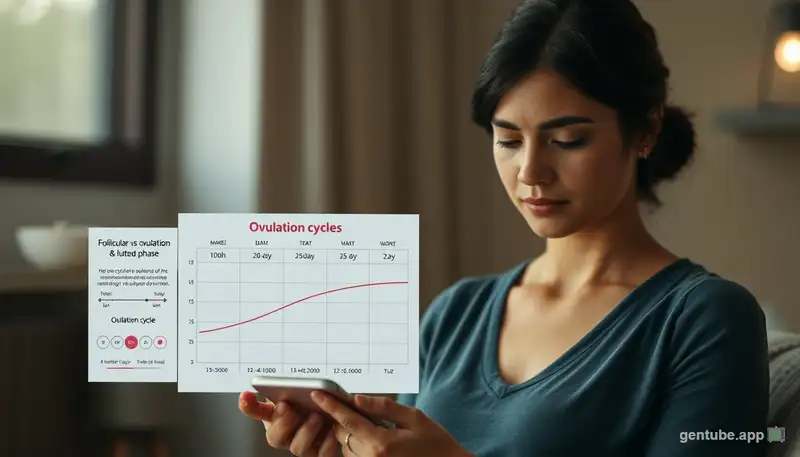
Understanding the timing of ovulation is crucial for anyone trying to conceive or avoid pregnancy naturally. The menstrual cycle is divided into several phases: the follicular phase (before ovulation), ovulation itself, and the luteal phase (after ovulation). The follicular phase can vary significantly in length between women and even between cycles for the same woman, which is why predicting ovulation based solely on calendar calculations may not always be accurate. The luteal phase, on the other hand, is typically more consistent, lasting approximately 14 days for most women. This consistency is what allows the ovulation calculator to estimate your fertile window by working backward from your expected next period date.
Hormones play a central role in orchestrating ovulation each cycle. The process begins when the hypothalamus releases gonadotropin-releasing hormone (GnRH), which signals the pituitary gland to produce follicle-stimulating hormone (FSH) and luteinizing hormone (LH). FSH stimulates the growth of ovarian follicles, each containing an egg. As the follicles grow, they produce estrogen, which rises gradually throughout the follicular phase. When estrogen levels reach a critical threshold, it triggers a surge in LH, which is the direct cause of ovulation. Understanding this hormonal cascade helps explain why methods like LH testing and BBT tracking can effectively predict ovulation, as they detect these hormonal and physical changes directly.
It is worth noting that while the average menstrual cycle is 28 days, cycles ranging from 21 to 35 days are considered normal for adults. For adolescents, cycles can range from 21 to 45 days during the first few years after menarche. The length of your cycle is determined primarily by the length of your follicular phase, which is the most variable phase. The luteal phase is relatively fixed at approximately 14 days for most women. This is why the ovulation calculator uses the 14-day rule to predict ovulation by subtracting 14 days from your expected next period date, making it a reliable method for women with regular cycles.
Fertility awareness and understanding your menstrual cycle can also help you identify potential health concerns early. Significant changes in cycle length, the absence of menstruation (amenorrhea), or unusually painful periods can all be signs that something may be affecting your reproductive health. By using the ovulation calculator regularly to track your cycles, you can establish a baseline pattern for your menstrual health and more easily identify deviations that may warrant discussion with a healthcare provider.
Ovulation Prediction
Many people would like to predict their ovulation date, mostly to increase their chances of getting pregnant. The following are a few common methods for doing so.
Tracking Menstrual Cycles
This ovulation calculator uses the method of tracking menstrual cycles in order to predict when ovulation occurs. Since day 10-18 of the menstrual cycle is typically the most fertile phase of the menstrual cycle, women with regular cycles can fairly easily determine when they are ovulating and most likely to conceive. Menstrual cycles vary between women however, and a person without a 28-day menstrual cycle may need to track their menstrual cycle to more accurately determine when ovulation might occur.
The first day of the menstrual cycle is the day that bleeding starts, and it ends the day that bleeding starts again. It can be helpful to maintain a menstrual calendar to determine how regular your periods are. If they are irregular, other methods may be more accurate for estimating when ovulation will occur.
Tracking Basal Body Temperatures
Basal body temperature (BBT) is measured using a special thermometer. This is your temperature when you first wake up in the morning. BBT is generally at the lowest level right before ovulation occurs. It starts rising by about ½ a degree a day during ovulation. Tracking BBT over a few months can help you determine when you are ovulating and most likely to be able to conceive. However, there are other factors involved that can affect your BBT, such as having a cold or infection. In these cases, measuring BBT would likely not be a good indicator of ovulation.
Ovulation Kits
It is also possible to use an over-the-counter ovulation test that tests for a surge in some specific hormones that precede ovulation by 24-48 hours. While these tests are 99% accurate in detecting the specific hormones, they cannot guarantee when exactly ovulation will occur within the two-day period. These tests typically measure the level of luteinizing hormone (LH), which, when released in high quantities (and under other conditions), triggers ovulation.
There are also ovulation predictor kits that can test changes in the estrogen level in saliva or salts in the sweat, which change during the month and can be related to the menstrual cycle. These changes generally occur earlier than the hormonal changes (LH increase), and can therefore predict ovulation earlier. Unlike LH tests, this does require more preparation in terms of tracking the levels of these markers to determine a baseline level.
Fertility Window Explained
The fertility window, also known as the fertile window, is the period during each menstrual cycle when pregnancy is possible. This window encompasses the days leading up to and including ovulation. Understanding your fertility window is the cornerstone of fertility awareness and is essential for both conceiving and avoiding pregnancy naturally. The ovulation calculator helps you identify this critical window based on your cycle information.
The fertility window lasts approximately 6 days: the five days before ovulation and the day of ovulation itself. This duration is determined by the lifespan of sperm and the egg. Sperm can survive in the female reproductive tract for up to five days under optimal conditions, while the egg remains viable for only 12-24 hours after release. This means that intercourse occurring up to five days before ovulation can still result in pregnancy, but intercourse occurring more than 24 hours after ovulation is very unlikely to lead to conception. The ovulation calculator identifies both your ovulation window and your intercourse window for pregnancy to help you plan accordingly.
It is important to note that the fertile window can vary from cycle to cycle, even for women with regular cycles. Factors such as stress, illness, travel, and lifestyle changes can affect the timing of ovulation and therefore shift the fertility window. This is why using a combination of methods to track ovulation tends to be more effective than relying on calendar-based prediction alone. The ovulation calculator provides a helpful starting point, but combining it with other tracking methods such as BBT monitoring, cervical mucus observation, or ovulation predictor kits can significantly improve accuracy.
For those trying to conceive, having regular intercourse during the fertile window maximizes the chances of pregnancy. Studies show that the highest probability of conception occurs when intercourse takes place one to two days before ovulation. The chances of conception per cycle for a healthy couple in their 20s and early 30s is approximately 20-30% when timed correctly with the fertile window. This probability gradually decreases with age, particularly after 35, as both egg quality and quantity decline. The ovulation calculator helps you identify your most fertile days so you can time intercourse for optimal chances of conception.
Factors Affecting Ovulation
Ovulation can be influenced by a wide range of factors that may affect the regularity of menstrual cycles and the timing of egg release. Understanding these factors can help you better interpret the results from the ovulation calculator and identify potential issues that may require medical attention. While the ovulation calculator provides estimates based on cycle length, various internal and external factors can affect actual ovulation timing.
Stress: Psychological and physical stress can significantly impact ovulation. High stress levels increase cortisol production, which can interfere with the hormonal cascade necessary for ovulation. Chronic stress may delay ovulation or, in severe cases, suppress it entirely, leading to missed periods. Techniques such as mindfulness, meditation, adequate sleep, and regular moderate exercise can help manage stress levels and support regular ovulation. The ovulation calculator can help you track patterns in your cycle that may correlate with stressful life events.
Weight and Body Composition: Both being underweight and overweight can affect ovulation. Women with a BMI below 18.5 or above 30 are more likely to experience irregular ovulation or anovulation (absence of ovulation). Adipose (fat) tissue produces estrogen, and having too much or too little body fat can disrupt the delicate hormonal balance required for regular ovulation. The body fat calculator and ideal weight calculator on CalcOrigin can help you assess your body composition and determine whether weight may be affecting your fertility.
Age: Age is one of the most significant factors affecting ovulation and fertility. Women are born with a finite number of eggs, and both the quantity and quality of eggs decline with age. Fertility begins to gradually decline around age 32, with a more noticeable decrease after age 35, and a steep decline after age 40. By age 45, natural conception becomes very unlikely for most women. The ovulation calculator remains useful throughout the reproductive years, but the interpretation of results should take age into account, particularly for women over 35 who may benefit from consulting a fertility specialist if they have been trying to conceive for six months or more.
Medical Conditions: Several medical conditions can affect ovulation. Polycystic ovary syndrome (PCOS) is one of the most common causes of irregular ovulation, affecting approximately 5-10% of women of reproductive age. PCOS is characterized by hormonal imbalances that can lead to infrequent or absent ovulation, making fertility tracking more challenging. Other conditions such as thyroid disorders (both hyperthyroidism and hypothyroidism), hyperprolactinemia, and premature ovarian insufficiency can also affect ovulation. If you have been diagnosed with any of these conditions or suspect you may have them, working with a healthcare provider alongside using the ovulation calculator can provide more comprehensive fertility management.
Lifestyle Factors: Smoking, excessive alcohol consumption, and caffeine intake can all negatively impact ovulation and fertility. Smoking is particularly detrimental, as it can accelerate egg loss and bring on earlier menopause. Even moderate alcohol consumption has been associated with reduced fertility, and high caffeine intake (more than 200-300 mg per day, roughly 2-3 cups of coffee) may also affect ovulation. Regular moderate exercise, on the other hand, supports hormonal balance and regular ovulation. However, excessive intense exercise combined with low calorie intake can suppress ovulation, which is why athletes sometimes experience irregular periods.
Travel and Sleep Disruption: Significant changes in time zones, sleep patterns, and daily routines can temporarily affect ovulation. Jet lag, shift work, and irregular sleep schedules can disrupt the body's circadian rhythms, which are closely linked to the hormonal signals that regulate the menstrual cycle. Women who travel frequently or work night shifts may notice temporary changes in cycle length or ovulation timing, which can affect the accuracy of the ovulation calculator predictions for those particular cycles.
Signs and Symptoms of Ovulation
Many women experience physical signs and symptoms that indicate ovulation is occurring or about to occur. Learning to recognize these signs can help you identify your fertile window more accurately, complementing the predictions made by the ovulation calculator. While not every woman experiences noticeable symptoms, being aware of the common indicators can provide valuable insights into your menstrual health and fertility.
Changes in Cervical Mucus: One of the most reliable signs of approaching ovulation is a change in cervical mucus. As estrogen levels rise during the follicular phase, cervical mucus increases in quantity and changes in consistency. Around ovulation, mucus becomes clear, slippery, and stretchy, resembling raw egg whites. This fertile-quality mucus helps sperm travel through the cervix and into the uterus, increasing the chances of conception. After ovulation, progesterone causes mucus to become thick, sticky, and opaque again. Tracking these changes alongside the ovulation calculator's predictions can help you pinpoint your fertile days with greater accuracy.
Basal Body Temperature Shift: After ovulation, progesterone causes basal body temperature to rise by approximately 0.5 to 1 degree Fahrenheit. This temperature shift typically occurs the day after ovulation and remains elevated until the next period. By tracking BBT over several months, you can identify a pattern and predict when ovulation is likely to occur in future cycles. The temperature rise confirms that ovulation has occurred, rather than predicting it in advance, which is why BBT is most useful when combined with the forward-looking predictions of the ovulation calculator.
Ovulation Pain: Some women experience a mild pain or cramping sensation in the lower abdomen around the time of ovulation. Known as mittelschmerz (German for middle pain), this discomfort can occur on either side of the abdomen, depending on which ovary releases the egg. The pain is typically mild and lasts from a few minutes to a few hours, though some women may experience discomfort for longer. While not an accurate predictor on its own, ovulation pain can serve as a supplementary sign when used alongside the ovulation calculator and other tracking methods.
Other Physical Signs: Additional signs that may accompany ovulation include increased libido, breast tenderness or sensitivity, bloating, heightened sense of smell, and changes in cervical position and firmness. Some women also report light spotting around ovulation, which is thought to be caused by the rapid hormonal changes associated with follicle rupture. These signs vary significantly between individuals and cycles, which is why using the ovulation calculator as a baseline and supplementing with personal observations tends to provide the most accurate fertility tracking.
Tips for Maximizing Fertility
Maximizing your fertility involves a combination of timing intercourse correctly, maintaining a healthy lifestyle, and understanding your body's natural rhythms. The ovulation calculator helps with the timing aspect, but overall fertility is influenced by many factors that you can actively manage to improve your chances of conception.
Timing Intercourse: Having regular intercourse during your fertile window is the most important factor for maximizing chances of conception. Based on the results from the ovulation calculator, aim to have intercourse every one to two days during the five days leading up to and including ovulation. This frequency ensures that viable sperm are present in the reproductive tract when the egg is released. Contrary to some beliefs, waiting to save up sperm does not improve fertility and may actually reduce sperm quality. Regular ejaculation helps maintain healthy sperm by preventing DNA damage from prolonged storage.
Maintain a Healthy Weight: As discussed in the factors affecting ovulation, maintaining a healthy BMI between 18.5 and 24.9 supports regular ovulation and optimal fertility. The ideal weight calculator on CalcOrigin can help you determine your target weight range. Even modest weight loss of 5-10% of body weight can restore ovulation in women who are overweight and experiencing irregular cycles. Similarly, gaining weight to achieve a healthy BMI can help restore regular ovulation in underweight women.
Take Prenatal Vitamins: Folic acid supplementation is critically important for women trying to conceive. Taking 400-800 mcg of folic acid daily before conception and during early pregnancy significantly reduces the risk of neural tube defects in the developing baby. Many prenatal vitamins also include other important nutrients such as iron, calcium, vitamin D, and omega-3 fatty acids that support overall reproductive health. Starting prenatal vitamins at least one to three months before trying to conceive is recommended for optimal benefit.
Reduce Stress and Prioritize Sleep: Chronic stress and poor sleep quality can disrupt the hormonal balance needed for regular ovulation. Prioritizing stress management techniques such as yoga, meditation, or counseling, along with getting 7-9 hours of quality sleep per night, can support regular ovulation and improve fertility outcomes. The ovulation calculator can help you track whether stress or lifestyle changes during certain months correlate with changes in your cycle timing.
When to See a Doctor
While the ovulation calculator is a useful tool for understanding your cycle and identifying your fertile window, there are situations where consulting a healthcare provider is recommended. Understanding when to seek medical advice can help you address potential fertility issues earlier and improve your chances of successful conception.
Irregular Cycles: If your menstrual cycles consistently fall outside the 21-35 day range, or if your cycle length varies significantly from month to month (more than 7-9 days), it is advisable to consult a healthcare provider. Irregular cycles may indicate underlying hormonal imbalances or conditions such as PCOS, thyroid disorders, or premature ovarian insufficiency. While the ovulation calculator can still provide estimates with irregular cycles, the predictions become less reliable, and medical evaluation can help identify and address the root cause of irregularity.
Age-Related Considerations: For women under 35, it is generally recommended to try to conceive for one year before seeking fertility evaluation, unless there are known risk factors or concerns. For women aged 35-40, the recommended waiting period is six months. For women over 40, consulting a fertility specialist before attempting conception or immediately upon starting to try is advisable, given the more rapid decline in fertility at this age. The ovulation calculator remains a valuable tool throughout, but age-appropriate guidance from a healthcare provider ensures timely intervention when needed.
Painful or Heavy Periods: Severe menstrual pain, very heavy bleeding, bleeding between periods, or pain during intercourse may indicate underlying conditions that could affect fertility, such as endometriosis, uterine fibroids, or pelvic inflammatory disease. These conditions can sometimes interfere with ovulation, fertilization, or implantation. While the ovulation calculator can help track your cycle, it cannot diagnose or detect these conditions, making medical evaluation essential if you experience these symptoms.
Previous Miscarriages: If you have experienced two or more consecutive miscarriages, it is advisable to seek evaluation from a healthcare provider or fertility specialist. Recurrent pregnancy loss can have various causes, including chromosomal abnormalities, hormonal imbalances, uterine structural issues, or immune system factors. A thorough medical evaluation can help identify treatable causes and guide your family planning journey.
Known Medical Conditions: If you have been diagnosed with conditions such as PCOS, endometriosis, thyroid disorders, or autoimmune diseases, working with a healthcare provider to manage these conditions is essential for optimizing fertility. These conditions can affect ovulation, implantation, and pregnancy maintenance in complex ways that go beyond what the ovulation calculator can predict or track. Your healthcare provider can help you interpret the calculator's results in the context of your specific medical situation and recommend additional monitoring or treatment as needed to improve your chances of conception.
Menstrual Cycle Hormone Levels
The chart below illustrates the changes in key reproductive hormones throughout a typical 28-day menstrual cycle. Understanding these hormonal patterns helps explain why the ovulation calculator predicts fertility windows the way it does, and why certain tracking methods work. Estrogen rises during the follicular phase, peaking just before ovulation, which triggers the LH surge. Progesterone rises after ovulation and remains elevated throughout the luteal phase, dropping just before menstruation if pregnancy does not occur.
This hormonal information complements the predictions from the ovulation calculator by providing insight into the biological mechanisms behind your cycle. Tracking these hormones through methods such as LH test strips, BBT charting, and cervical mucus observation can help confirm the ovulation date predicted by the calculator and provide a more complete picture of your reproductive health. The ovulation calculator provides the timeline, and understanding hormone patterns helps you interpret and act on that timeline effectively.
Each hormone shown in the chart plays a distinct role in the menstrual cycle. Estrogen is responsible for building up the uterine lining (endometrium) and triggering the LH surge that causes ovulation. LH surges dramatically approximately 24-48 hours before ovulation, which is why LH test strips are one of the most reliable methods for predicting ovulation in real time. Progesterone, often called the pregnancy hormone, prepares the uterine lining for implantation and maintains early pregnancy if conception occurs. If no pregnancy occurs, progesterone levels drop sharply, triggering menstruation. FSH stimulates follicle growth at the beginning of each cycle, and its levels can provide important information about ovarian reserve and reproductive aging. By understanding these hormone patterns alongside the dates provided by the ovulation calculator, you can gain deeper insight into your reproductive health and make more informed decisions about family planning.
To learn more about ovulation calculator, visit NSC.
Frequently Asked Questions
What is ovulation?
Ovulation is the process where a mature egg is released from the ovary and becomes available for fertilization. It typically occurs once per menstrual cycle, usually about 14 days before the start of your next period. The ovulation calculator helps you predict when this important event is likely to occur.
How long is the fertile window?
The fertile window is typically 5-6 days leading up to and including ovulation. Sperm can survive in the reproductive tract for up to 5 days, while the egg is viable for about 12-24 hours after release. The ovulation calculator identifies this window based on your cycle information.
Can I get pregnant during my period?
While less common, it is possible to get pregnant during your period, especially if you have a shorter cycle or bleed longer than average. Sperm can survive in the body for several days, so if you ovulate early in your cycle, conception could occur from intercourse during your period.
What if my cycles are irregular?
Irregular cycles make prediction less accurate. Track your cycles over several months to identify patterns, or consider using ovulation predictor kits or working with a healthcare provider for more accurate tracking. The ovulation calculator can still provide estimates, but combining it with other methods improves accuracy for irregular cycles.
How does the ovulation calculator work?
This ovulation calculator estimates your fertile window based on the first day of your last menstrual period and your average cycle length. It uses the standard method of predicting ovulation approximately 14 days before your next expected period, accounting for sperm and egg viability to determine your fertile window and other important dates.
What are the signs of ovulation?
Common signs of ovulation include changes in cervical mucus (becoming clear, slippery, and egg-white-like), a slight rise in basal body temperature, mild pelvic pain or cramping (mittelschmerz), increased libido, breast tenderness, and bloating. Using the ovulation calculator alongside tracking these signs provides the most accurate fertility window identification.
Can stress affect ovulation?
Yes, high levels of stress can delay or even suppress ovulation. Stress affects hormones including cortisol and GnRH, which can disrupt the menstrual cycle and delay or prevent ovulation. Managing stress through relaxation techniques, exercise, and adequate sleep can help maintain regular cycles and improve the accuracy of the ovulation calculator predictions.
How accurate are ovulation predictor kits?
Ovulation predictor kits that detect LH surge are about 99% accurate at detecting the hormone surge, but they cannot guarantee when exactly ovulation will occur within the 24-48 hour window after the surge. They are most effective when used according to instructions and combined with other tracking methods and the ovulation calculator for the most accurate fertility window identification.
What is basal body temperature tracking?
Basal body temperature (BBT) tracking involves measuring your temperature first thing each morning before getting out of bed. Your BBT rises by about 0.5°F after ovulation and stays elevated until your next period. Tracking BBT over several months helps identify your ovulation pattern and can be used alongside the ovulation calculator for confirmation of ovulation timing.
Can I ovulate more than once per cycle?
While rare, it is possible to release more than one egg during a single menstrual cycle. This can happen when multiple follicles mature and release eggs within 24 hours of each other. This is more common in women with a family history of fraternal twins and can result in fraternal twins if both eggs are fertilized. The ovulation calculator predicts the most likely ovulation date but cannot account for multiple egg releases.
Does age affect ovulation?
Yes, age significantly affects ovulation. Women are born with all the eggs they will ever have, and both the quantity and quality of eggs decline with age. Fertility begins to gradually decline around age 32, with a more significant decrease after age 35, and a steep decline after age 40. The ovulation calculator can help track cycles at any age, but awareness of age-related fertility changes is important for family planning.
When should I take a pregnancy test after ovulation?
You can take a pregnancy test about 9-12 days after ovulation. The most reliable time is after you miss your next expected period. The ovulation calculator provides an estimated pregnancy test date based on your ovulation timing. Tests taken too early may show a false negative because hCG levels may not yet be high enough to detect.